







Cloud Integration in IoT Architecture Explained
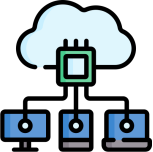
Cloud integration in IoT architecture connects smart devices with powerful cloud platforms to store, process, and analyze data efficiently. It enables scalable, flexible, and real-time data-driven applications across industries.
In modern IoT systems, cloud integration acts as the backbone that transforms raw device data into meaningful insights. This section explains the fundamentals and importance of integrating cloud computing with IoT systems.
Role of Cloud in IoT Architecture
Cloud computing plays a vital role in IoT by enabling centralized data management, remote access, and scalable infrastructure. It helps businesses handle large volumes of IoT data efficiently and securely.
List of key roles of cloud in IoT architecture is given below:
1. Data Storage and Management
Cloud platforms provide virtually unlimited storage for IoT-generated data, ensuring reliability and easy access.
- Stores structured and unstructured data
- Enables data backup and recovery
- Supports distributed databases
2. Data Processing and Analytics
Cloud enables real-time and batch processing of IoT data to extract valuable insights.
- Supports big data analytics
- Enables machine learning and AI integration
- Provides real-time dashboards
3. Device Connectivity and Management
Cloud services help manage, monitor, and control IoT devices remotely.
- Device authentication and provisioning
- Firmware updates over-the-air (OTA)
- Remote diagnostics and control
4. Scalability and Flexibility
Cloud infrastructure allows IoT systems to scale up or down based on demand.
- Elastic computing resources
- Cost-efficient pay-as-you-go models
- Easy deployment of new services
Architecture of Cloud-Integrated IoT Systems
Cloud-integrated IoT architecture consists of multiple layers that work together to enable seamless communication and data flow. Each layer has a specific role in ensuring system efficiency and performance.
List of IoT architecture layers with cloud integration is given below:
1. Perception Layer (Device Layer)
This layer includes sensors and actuators that collect data from the physical environment.
- Sensors capture temperature, humidity, motion, etc.
- Actuators perform actions based on commands
- Generates raw data for processing
2. Network Layer (Communication Layer)
Responsible for transmitting data from devices to the cloud.
- Uses protocols like MQTT, HTTP, and CoAP
- Supports wireless technologies (Wi-Fi, Zigbee, LoRa)
- Ensures secure data transmission
3. Cloud Layer (Processing Layer)
The core layer where data is stored, processed, and analyzed.
- Data aggregation and filtering
- Real-time analytics and AI processing
- Integration with cloud services and APIs
4. Application Layer
Provides user interfaces and applications for end-users.
- Mobile and web applications
- Visualization dashboards
- Alerts and automation systems
Benefits of Cloud Integration in IoT
Cloud integration enhances the overall performance and usability of IoT systems by providing advanced capabilities. It enables organizations to make data-driven decisions efficiently.
List of benefits of cloud integration in IoT is given below:
1. Improved Data Accessibility
Cloud allows users to access IoT data anytime, anywhere.
- Remote monitoring
- Cross-platform access
- Centralized data control
2. Cost Efficiency
Cloud reduces the need for expensive on-premise infrastructure.
- Lower hardware costs
- Reduced maintenance expenses
- Pay-per-use pricing models
3. Enhanced Security
Cloud providers offer advanced security mechanisms to protect IoT data.
- Data encryption
- Identity and access management
- Regular security updates
4. Real-Time Decision Making
Cloud enables instant data analysis for quick decision-making.
- Real-time alerts
- Predictive maintenance
- Automated responses
Challenges of Cloud Integration in IoT
Despite its advantages, cloud integration in IoT also comes with several challenges that must be addressed for optimal performance. Understanding these challenges helps in designing robust IoT systems.
List of challenges in cloud-integrated IoT systems is given below:
1. Data Privacy and Security Issues
IoT devices generate sensitive data that must be protected.
- Risk of data breaches
- Unauthorized access
- Compliance with regulations
2. Latency and Network Dependency
Cloud-based systems rely heavily on internet connectivity.
- Delay in real-time applications
- Network failures affect performance
- Not suitable for critical systems
3. Scalability Complexity
Managing a large number of devices can be challenging.
- Device management overhead
- Data synchronization issues
- Increased system complexity
4. Interoperability Issues
Different devices and platforms may not work seamlessly together.
- Lack of standard protocols
- Vendor lock-in problems
- Integration difficulties
Cloud Service Models in IoT
Cloud service models define how cloud resources are provided and consumed in IoT systems. Each model offers different levels of control and flexibility.
List of cloud service models used in IoT is given below:
1. Infrastructure as a Service (IaaS)
Provides basic computing infrastructure such as servers and storage.
- High flexibility and control
- Suitable for custom IoT solutions
- Requires technical expertise
2. Platform as a Service (PaaS)
Offers platforms for developing and deploying IoT applications.
- Simplifies development process
- Built-in tools and frameworks
- Faster deployment
3. Software as a Service (SaaS)
Delivers ready-to-use IoT applications over the cloud.
- No installation required
- Easy to use
- Limited customization
Comparison of Cloud Service Models
| Feature | IaaS | PaaS | SaaS |
|---|---|---|---|
| Control Level | High | Medium | Low |
| Ease of Use | Complex | Moderate | Easy |
| Customization | High | Medium | Low |
| Cost | Variable | Moderate | Fixed/Subscription |
| Use Case | Infrastructure setup | App development | End-user applications |
Use Cases of Cloud Integration in IoT
Cloud-integrated IoT systems are widely used across various industries to improve efficiency and automation. These applications demonstrate the practical importance of cloud integration.
List of major IoT use cases with cloud integration is given below:
1. Smart Homes
Cloud enables remote control and automation of home devices.
- Smart thermostats
- Security systems
- Voice-controlled devices
2. Healthcare Monitoring
IoT devices send patient data to the cloud for analysis.
- Remote patient monitoring
- Wearable health devices
- Real-time alerts for doctors
3. Industrial IoT (IIoT)
Cloud integration helps industries monitor and optimize operations.
- Predictive maintenance
- Asset tracking
- Process automation
4. Smart Cities
Cloud-based IoT systems improve urban infrastructure.
- Traffic management
- Waste management
- Energy optimization
Best Practices for Cloud Integration in IoT
Implementing best practices ensures efficient and secure cloud integration in IoT systems. These practices help overcome challenges and improve system performance.
List of best practices for IoT cloud integration is given below:
1. Ensure Data Security
Protect data using strong security measures.
- Use encryption protocols
- Implement access control
- Regular security audits
2. Optimize Data Processing
Reduce unnecessary data transfer to improve efficiency.
- Use edge computing
- Filter data at source
- Minimize latency
3. Choose the Right Cloud Platform
Select a cloud provider based on system requirements.
- Scalability options
- Security features
- Cost considerations
4. Maintain System Interoperability
Ensure devices and platforms can work together seamlessly.
- Use standard protocols
- Avoid vendor lock-in
- Implement APIs
Conclusion
Cloud integration in IoT architecture is essential for building scalable, efficient, and intelligent systems. It enables real-time data processing, remote device management, and advanced analytics for better decision-making.
By understanding its architecture, benefits, challenges, and best practices, students and professionals can design robust IoT systems that leverage the full potential of cloud computing.