









Front-End and Back-End in IoT Architecture
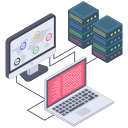
Front-end and back-end in IoT architecture explain how users interact with smart systems and how data is processed behind the scenes. These two layers are the backbone of modern IoT solutions, enabling seamless communication between devices, cloud platforms, and user applications. For students, understanding both layers is essential to build real-world IoT applications used in smart homes, healthcare systems, industries, and smart cities.
The list of key concepts of front-end and back-end in IoT architecture is given below
What is IoT Architecture?
IoT architecture refers to a structured framework that connects IoT devices, networks, cloud platforms, and applications to enable smooth communication and intelligent data exchange. It acts as the foundation of every IoT system by ensuring that physical devices can interact with digital systems efficiently and securely.
List of key features of IoT architecture is given below
- Device connectivity: Connects sensors and actuators with networks for real-time communication between physical and digital systems
- Data-driven automation: Enables smart decision-making using collected sensor data for automated system control
- Scalable infrastructure: Supports increasing number of devices and large-scale IoT deployments without performance loss
Front-End in IoT Architecture
Front-end in IoT architecture focuses on user interaction, visualization, and control of IoT systems. It allows users to monitor devices, analyze data, and manage operations through applications and dashboards in a simple and interactive way.
List of front-end components in IoT architecture is given below
1. User Interface (UI)
The user interface is the visual interaction layer where users control IoT systems using dashboards, apps, and web portals.
- Real-time data display: Shows live sensor data updates for continuous system monitoring and awareness
- Device control access: Allows users to manage IoT devices through buttons, sliders, and settings panels
- User-friendly design: Ensures simple navigation and easy usability for both technical and non-technical users
2. Data Visualization
Data visualization transforms raw IoT data into meaningful graphical formats for better understanding and decision-making.
- Graphical insights representation: Converts complex sensor data into charts and graphs for clarity
- Trend monitoring analysis: Helps identify patterns and system behavior over time for performance tracking
- Faster decision support: Improves decision-making speed using visualized real-time and historical data
3. Device Control Interface
This interface enables remote control of IoT devices through mobile or web applications.
- Remote device operation: Allows ON/OFF control of devices from anywhere using internet connectivity
- Configuration management: Enables users to adjust device settings based on system requirements
- Smart automation control: Supports scheduled operations for automated and intelligent system behavior
4. Mobile and Web Applications
Mobile and web applications connect users to IoT systems anytime and anywhere through digital platforms.
- Cross-platform accessibility: Supports Android, iOS, and web-based IoT applications for wide usability
- Centralized dashboards: Provides a single interface for monitoring multiple IoT devices efficiently
- Instant notification alerts: Sends real-time updates and warnings for system events and changes
5. User Experience (UX) Design
UX design ensures IoT applications are efficient, intuitive, and easy to interact with for all users.
- Smooth navigation flow: Provides easy movement between dashboards, settings, and control panels
- Fast system response: Ensures quick loading and real-time interaction with IoT systems
- Clear information layout: Organizes data in a structured way for better readability and understanding
Back-End in IoT Architecture
Back-end in IoT architecture handles data processing, storage, system logic, and security operations behind the scenes. It ensures that IoT systems function efficiently, securely, and reliably without requiring direct user interaction.
List of back-end components in IoT architecture is given below
1. Data Collection and Storage
The back-end collects and stores large volumes of IoT data generated by devices and sensors.
- Cloud-based storage systems: Stores massive IoT datasets securely for long-term access and analysis
- Big data handling capability: Manages continuous data streams from multiple IoT devices efficiently
- Reliable data availability: Ensures stored data is always accessible for processing and reporting
2. Data Processing and Analytics
This component processes raw IoT data and converts it into useful insights using analytical techniques.
- Real-time data processing: Analyzes incoming data instantly for immediate system response
- AI and machine learning integration: Uses intelligent models for predictions and automated decisions
- Predictive analytics capability: Forecasts future trends based on historical and live IoT data
3. Application Logic
Application logic defines rules and conditions that control how IoT systems behave and respond.
- Rule-based system execution: Defines conditions for automated device actions and responses
- Workflow management system: Controls the sequence of operations in IoT applications
- Automation decision engine: Enables smart operations without human intervention
4. APIs (Application Programming Interfaces)
APIs connect front-end interfaces with back-end systems for smooth and secure data exchange.
- RESTful communication APIs: Enables standardized communication between IoT components
- Secure data exchange protocols: Ensures safe transmission of information across system layers
- Third-party service integration: Connects IoT systems with external applications and cloud services
5. Security and Authentication
Security ensures that IoT systems are protected from unauthorized access and cyber threats.
- Data encryption techniques: Protects sensitive IoT information during transmission and storage
- User authentication systems: Verifies user identity before granting system access
- Secure communication protocols: Ensures safe and trusted data exchange between devices
Key Differences Between Front-End and Back-End in IoT
Understanding the difference between front-end and back-end helps students clearly identify their roles in IoT systems.
| Feature | Front-End | Back-End |
|---|---|---|
| Purpose | User interaction and control | Data processing and system logic |
| Visibility | Visible to users | Hidden from users |
| Technologies | HTML, CSS, JavaScript | Python, Java, Node.js |
| Function | Display and control interface | Data storage and processing |
| Examples | Mobile apps, dashboards | Servers, databases |
How Front-End and Back-End Work Together in IoT
Front-end and back-end components work together to form a complete IoT system that enables real-time communication and smart automation.
List of interaction processes in IoT systems is given below
1. Data Flow Process
Data flows from IoT devices to back-end systems and then to front-end applications for visualization.
- Sensor data collection: Devices capture environmental and operational data continuously
- Back-end data processing: System analyzes and stores collected information securely
- Front-end visualization display: Users view processed results in dashboards and apps
2. User Commands Execution
User commands are processed and executed through IoT systems to control devices.
- User input generation: Commands are sent from mobile or web applications
- Back-end validation process: System verifies and processes incoming user requests
- Device action execution: IoT devices perform required operations based on commands
3. Real-Time Communication
Real-time communication ensures instant updates between devices and applications.
- MQTT protocol communication: Lightweight messaging protocol for fast IoT data transfer
- Instant alert system: Sends immediate notifications for system changes or events
- Low latency interaction: Ensures minimal delay in communication between components
Importance of Front-End and Back-End in IoT Systems
Both front-end and back-end are essential for building scalable, secure, and efficient IoT systems.
List of importance factors is given below
1. Enhanced User Experience
Front-end design improves usability and interaction quality in IoT applications.
- Intuitive interface design: Makes IoT systems easy to use for all users
- Clear data representation: Displays information in a simple and understandable format
- Improved system engagement: Increases user interaction with IoT platforms
2. Efficient Data Management
Back-end systems ensure proper handling of large-scale IoT data.
- Structured data storage: Organizes IoT data for easy access and management
- Fast data retrieval: Provides quick access to required system information
- High data reliability: Maintains accuracy and consistency of stored data
3. System Scalability
IoT systems must support growing devices and increasing data loads.
- Device expansion support: Handles more connected devices efficiently
- Cloud scalability integration: Expands storage and computing power easily
- Performance optimization: Maintains system speed under heavy workloads
4. Security and Reliability
Security ensures safe and continuous operation of IoT systems.
- Secure data transmission: Protects data during communication between devices
- System reliability assurance: Ensures continuous and stable system performance
- Cyber threat protection: Prevents unauthorized access and attacks
Real-World Examples of Front-End and Back-End in IoT
Real-world applications help students understand how IoT systems are used in daily life.
1. Smart Home Systems
Smart home systems allow users to control appliances and devices remotely.
- Front-end: Mobile apps and web dashboards for user control and monitoring
- Back-end: Cloud servers, automation logic, and device communication systems
2. Healthcare IoT
Healthcare IoT systems monitor patient health and provide real-time medical updates.
- Front-end: Doctor and patient dashboards for health monitoring
- Back-end: Data storage, analytics, and alert generation systems
3. Industrial IoT (IIoT)
Industrial IoT improves manufacturing efficiency and machine performance.
- Front-end: Operator control panels for monitoring machines
- Back-end: Predictive maintenance systems and industrial data analytics
Challenges in Front-End and Back-End IoT Development
IoT development faces multiple challenges that affect performance, scalability, and security.
List of major challenges is given below
1. Data Security Issues
IoT systems are vulnerable to cyber threats and unauthorized access.
- Hacking risks: Systems can be targeted by unauthorized users
- Strong encryption requirement: Data must be protected during transmission
- Authentication complexity: Secure identity verification is essential
2. Scalability Problems
Managing large IoT networks becomes difficult as systems grow.
- Device overload issues: Too many connected devices affect performance
- Massive data growth: Continuous sensor data increases system load
- Performance degradation: System may slow down under heavy usage
3. Integration Complexity
Different devices and platforms create integration challenges.
- Protocol mismatch issues: Devices use different communication standards
- Compatibility limitations: Not all devices work together smoothly
- System coordination difficulty: Integration requires advanced architecture
4. Real-Time Processing Challenges
IoT systems require fast and continuous data processing.
- High-speed processing demand: Data must be analyzed instantly
- Low latency requirement: Minimal delay is essential for real-time systems
- System stability pressure: Must maintain performance under constant load
Conclusion
Front-end and back-end in IoT architecture are essential components that work together to create intelligent, scalable, and connected systems. The front-end focuses on user interaction and data visualization, while the back-end manages data processing, storage, and system logic. Understanding both layers helps students and developers build efficient IoT applications for real-world solutions such as smart homes, healthcare systems, and industrial automation.