









How to Create an Effective User Onboarding Flow: Strategies for Engagement and Retention
Crafting an efficient onboarding process is a foundational step for ensuring users realize the value of your product early, remain engaged, and become long-term advocates. When a user’s first interaction with your application is streamlined and customized, it drastically increases their willingness to explore deeper features and reduces the likelihood of abandonment. In today’s competitive digital landscape, the right onboarding UX can make all the difference in establishing trust and encouraging ongoing usage.
Effective onboarding goes beyond a simple introduction to your platform; it should empower users to accomplish key actions quickly while helping them feel understood and supported. The strategies discussed in this article blend personalization, product-led techniques, visual engagement, and continual testing to ensure onboarding flows are not just functional but truly user-centric.
Whether you are working with an established SaaS product or preparing to launch a new app, following these principles will help translate initial visitor curiosity into lasting loyalty. By leveraging best practices and continuously listening to users, businesses can maximize both short-term activation and long-term retention.
Pairing thoughtful onboarding with regular improvement cycles drives higher satisfaction rates and greater advocacy, ensuring your product remains competitive in fast-evolving markets.
For broader insights into how onboarding impacts user retention and the trends shaping customer experiences, consult McKinsey’s current findings on consumer journeys.
Personalize the Onboarding Experience
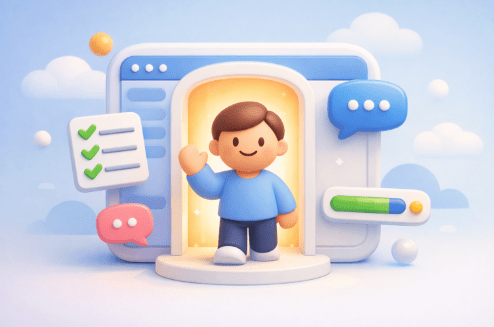
Today’s users expect more than a one-size-fits-all welcome. Segmenting users by their objectives, experience level, or organizational role is critical to delivering value from the moment they sign up. By collecting key data during sign-up, such as desired outcomes or intended use cases, products can display relevant features and resources that fit the user’s specific journey.
A strong example is how Canva customizes onboarding. Upon creating an account, users select their main purpose (personal, business, educational, etc.), and the platform tailors subsequent steps, templates, and tips to match. This approach ensures relevance, minimizing frustration and strengthening users’ motivation to continue exploring. When users receive clear, personalized guidance, they reach the platform’s “aha moment” more quickly. For best practices on onboarding personalization, see guidance from UX Design.
Personalization also enables smoother B2B onboarding, where team members may join with different motivations and responsibilities. Tailoring onboarding tasks for administrators, contributors, or viewers allows each persona to access information most relevant to their role. This can reduce unnecessary friction and help every user feel understood from the outset. By analyzing data on user self-segmentation and engagement trends, products can continuously refine these onboarding paths, ensuring they adapt to business growth or changing user needs.
Implement Product-Led Onboarding
Product-led onboarding is designed to naturally immerse users in your app’s core functionalities, without relying solely on documentation or tutorial pop-ups. Here, the product itself introduces key features through contextual tips, in-app checklists, and bite-sized walkthroughs.
Notion exemplifies this by embedding an onboarding checklist directly within the user’s first workspace. Rather than presenting a separate tutorial, users interact with real tasks as they tour Notion, learning by doing. This makes the onboarding process intuitive and directly tied to meaningful actions, reducing barriers to initial product value.
With this approach, guidance is seamlessly integrated, allowing users to discover functionality organically as they engage in their workflows.
Product-led onboarding also offers the flexibility to address growing feature sets over time. As your app matures, onboarding flows can surface new functionalities for returning users or offer refresher tours, ensuring all audiences, new or existing, stay up to date. These practices support continuous product adoption and can be automated to scale with the user base.
Utilize Visuals and Microinteractions
Human brains process images dramatically faster than text. Incorporating bold visuals, clear icons, and short animations accelerates comprehension while making onboarding feel less overwhelming. Interactive elements, such as hover effects, button transitions, or celebratory animations on task completion, add delight and help reinforce learning through immediate feedback.
Visual cues such as progress bars and checklist indicators also provide a sense of momentum, which encourages users to complete onboarding flows successfully. When used thoughtfully, microinteractions lower the cognitive load associated with new information by breaking down complex tasks into manageable, actionable steps.
Microinteractions are especially impactful in onboarding because they transform simple actions into opportunities for recognition. For example, a subtle animation after profile completion or a gentle nudge when a required field is missed makes the onboarding experience feel human and responsive. By embedding visual dynamics into the user journey, SaaS products and web platforms can boost memory retention and trigger positive emotional responses, thereby increasing engagement.
For more on the impact of visuals and interactivity in product design, refer to Smashing Magazine’s guide to microinteractions.
Test, Analyze, and Iterate
Onboarding is never truly finished. Gathering both qualitative and quantitative user feedback is essential for identifying bottlenecks and confusion points in the flow. Methods such as usability testing, click heatmaps, and automated surveys provide actionable insights. Routine analysis of activation metrics, like time to first value or progression through onboarding steps, helps you pinpoint where users are dropping off.
Embracing an iterative improvement mindset ensures that every onboarding update better aligns with user needs. Teams should regularly optimize flows based on real usage and evolving product features, fostering a culture in which onboarding continuously supports long-term engagement and customer satisfaction.
Further, cross-functional collaboration among product, design, and customer support teams nurtures well-rounded improvements. Regular syncs to review the latest user feedback and business outcomes foster faster innovation and ensure fixes are user-driven. Utilizing A/B testing for new onboarding elements allows product teams to deploy and measure changes safely before rolling them out to all users, making onboarding refinement both strategic and data-informed. Ultimately, this approach leads to sustainable, scalable growth.
Prioritizing user needs and feedback, and using the latest approaches from leading SaaS platforms, makes onboarding a powerful lever for driving business growth and audience loyalty.