












Hybrid Cloud Strategies for the Modern Enterprise: Balancing Innovation, Control, and Compliance
Key Takeaways
- Hybrid cloud adoption is rapidly increasing, with over 90% of IT leaders planning to transform their cloud frameworks.
- Artificial intelligence is driving greater value and innovation within hybrid cloud infrastructures.
- Strong data management and security are foundational to a resilient and compliant hybrid cloud setup.
In today’s rapidly evolving digital landscape, modern enterprises are shifting toward hybrid cloud solutions to achieve both operational flexibility and rigorous data governance. By merging the scalability and efficiency of public cloud services with the oversight and security of private infrastructure, organizations can implement resilient IT frameworks tailored to evolving industry demands.
This hybrid approach, essential for the future of enterprise applications, meets the needs of companies seeking optimal performance, cost efficiency, and regulatory compliance. Adopting a hybrid cloud strategy not only addresses technology challenges but also enables smarter business operations. It empowers companies with the agility to innovate while maintaining the standards and protections required for sensitive data processing and workload management.
As adoption soars, understanding the core components and best practices for hybrid cloud environments positions organizations for long-term success in a competitive market.
Understanding Hybrid Cloud Adoption Trends
A wealth of recent research now supports the shift toward hybrid cloud architectures. A widely cited global survey conducted by Rackspace Technology found that more than 90% of IT decision-makers expect to make significant changes to their cloud usage over the next two years. Nearly half identify hybrid cloud as crucial for managing multi-environment IT deployments. This growing reliance on hybrid solutions demonstrates that organizations value the flexibility and control a blended approach affords, particularly as business requirements and regulatory frameworks become more complex.
Furthermore, the dynamic nature of business growth and the increasing pace of digital transformation have made it critical for companies to adapt their IT strategies quickly. Hybrid cloud adoption allows organizations to experiment, pilot, and scale new services and applications without overhauling their core infrastructure. In practical terms, this agility leads to faster time-to-market, greater competitive advantage, and a more robust posture for adapting to emerging opportunities and threats.
As organizations mature in their hybrid cloud journey, they often establish dedicated teams or roles focused entirely on cloud governance, ensuring decisions align closely with overarching business objectives.
Integrating AI into Hybrid Cloud Environments
Artificial intelligence has emerged as a transformative force within hybrid cloud architectures. Kyndryl’s research reveals that 70% of CEOs view their current cloud setups as having evolved “by accident,” yet many are increasing their cloud spending by over 30% to harness the power of AI.
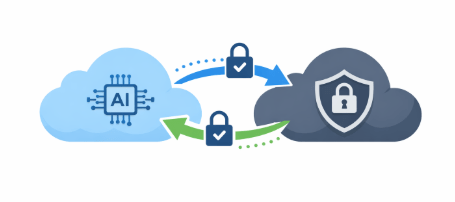
AI integration delivers improved automation, real-time analytics, and innovation across business units, making enterprises more agile. As a hybrid cloud provides a platform for deploying AI responsibly and securely, it helps organizations derive greater value from large, distributed datasets while supporting ongoing digital transformation goals.
AI’s expanding role is also pushing organizations to rethink how they manage data pipelines, train models, and deploy insights at scale. With hybrid cloud, it’s possible to run sensitive AI workloads on-premises while leveraging cloud-native services for tasks such as training large-language models or engaging in high-compute analytics. Companies are finding new opportunities to personalize customer experiences, automate essential tasks, and predict trends, all while balancing resource use and risk.
Data Management and Security in Hybrid Clouds
Managing data across cloud VPS and hybrid cloud environments presents unique challenges. Data sovereignty, compliance, and privacy risks are elevated as workloads span across public and private domains. Businesses are now revisiting their cloud strategies to overcome these obstacles, seeking architectures that protect information under shifting regulatory landscapes.
Implementing security best practices, such as encryption, identity management, and zero-trust policies, remains crucial. According to ITPro, the importance of robust cloud security will continue to increase as hybrid models are adopted more broadly and AI applications expand.
Cost Optimization Strategies
Gaining control over cloud costs is a central concern for enterprises using hybrid models. Companies are increasingly adopting intelligent software practices, such as memory tiering, containerization, and workload orchestration, to optimize resource usage. By balancing workloads between on-premises and cloud-based assets, enterprises can reduce unnecessary expenses while ensuring mission-critical applications achieve maximum performance.
Ongoing cost optimization not only improves the bottom line but also enables businesses to scale their cloud operations sustainably, even during market turbulence. It’s also important for organizations to continually monitor usage patterns and invest in cloud management platforms that offer detailed analytics and predictive budgeting tools.
Proactive cost management includes setting up accountability measures, implementing cost allocation tags across departments, and regularly reevaluating vendor agreements to ensure optimal pricing. By fostering a culture of continuous improvement, businesses can unlock even greater value from their hybrid architecture, staying competitive regardless of fluctuations in workload demand or broader economic shifts.
Enhancing Performance and Resilience
The integration of on-premises infrastructure and cloud resources in a hybrid cloud enables both high availability and superior disaster recovery. Real-time data replication reduces downtime and accelerates recovery following security breaches or system failures, such as ransomware attacks.
By designing infrastructure that leverages cloud scalability while retaining local fail-safes, enterprises can ensure operational continuity. Hybrid cloud also allows for tailored disaster recovery plans, providing greater assurance when navigating unplanned outages or threats. Advanced monitoring and automated failover solutions are being widely adopted in hybrid environments to help organizations maintain high service availability. Businesses are also leveraging distributed architectures to better align resources with user demand in real time, minimizing latency and ensuring critical applications perform optimally.
Resilient system design and regular stress-testing further enhance organizational readiness to handle disruptions, ensuring not only business continuity but also customer trust and satisfaction.
Compliance and Regulatory Considerations
Businesses must remain vigilant in aligning hybrid cloud deployments with global, national, and industry-specific compliance standards. From GDPR in Europe to HIPAA in healthcare, regulatory oversight influences how data is stored and processed. Developing thorough governance frameworks, conducting regular audits, and pursuing certifications are essential steps.
With continuous monitoring and automated compliance checks, organizations can reduce the risk of penalties and reputational harm stemming from infractions or breaches in compliance protocols. To keep up with changing regulations, businesses should adopt a flexible approach in their compliance strategies and maintain open lines of communication with legal and compliance experts.
Leveraging automated compliance software such as Scalefusion Veltar can help ensure that evolving rules are consistently met, while regular training improves staff awareness and readiness to implement necessary controls. The complexity of global regulation means proactive adaptation isn’t just beneficial, as it’s essential for maintaining trust in a connected, borderless digital world.
Future Outlook and Recommendations
The continued rise of hybrid cloud strategies will redefine enterprise IT in the years ahead. Forward-thinking organizations should prioritize integrating AI, implementing robust security controls, and continually optimizing for cost and performance. Building collaborative partnerships with trusted vendors and leveraging emerging technologies can ease the complexities of hybrid cloud management. This balanced approach allows enterprises to innovate while preserving the control and security necessary for long-term sustainability.
As businesses embrace these trends, the deployment of a hybrid cloud model catalyzes greater adaptability, compliance, and innovation. By proactively shaping hybrid cloud strategies, modern enterprises can thrive in a digital-first economy.
Conclusion
Hybrid cloud solutions are becoming essential for modern enterprises seeking flexibility, scalability, and stronger data control. By combining public and private cloud environments, organizations can improve performance, support AI-driven innovation, strengthen security, and optimize operational costs. As digital transformation continues to accelerate, businesses that invest in resilient hybrid cloud strategies will be better positioned to adapt, remain compliant, and achieve long-term growth in an increasingly competitive technology landscape.