








How Modern Technology Is Changing the Way We Learn and Work
Twenty years ago, learning meant a classroom and working meant an office. Both now happen almost anywhere. People pick up new skills from short videos, AI tutors, and online courses as easily as they look up a recipe or compare hemp flower strains before placing an order. The same tools have reshaped where and how people work. This guide looks at both sides of that change, and at the skills that matter most as the pace keeps picking up.
Part One: How We Learn
AI Becomes a Study Partner
Artificial intelligence has moved into homework and self-study faster than almost any tool before it. A national survey of 1,458 US teens conducted in fall 2025 found that 54 percent had used AI chatbots to get help with schoolwork. The most common uses were researching a topic and solving math problems. Used well, these tools explain concepts step by step and adapt to each learner’s pace. Used poorly, they become shortcuts, which is why teachers increasingly focus on how students reach an answer rather than the answer alone.
Learning Happens in Small Pieces
Microlearning has replaced many long lectures. Five-minute lessons, flashcard apps, and podcasts fit into commutes and lunch breaks. For adults balancing jobs and family, this format makes steady progress realistic.
Credentials Go Digital
Online certificates, digital badges, and skills-based hiring allow people to prove what they can do without returning to campus for years. Many employers now weigh demonstrated skills alongside traditional degrees.
Part Two: How We Work
Hybrid Becomes the Norm
For employees whose jobs can be done remotely, flexibility is now standard. Workplace data from May 2026 shows that 52 percent of remote-capable US employees work hybrid schedules, 26 percent work fully remote, and just 22 percent work entirely on-site. Engagement and well-being scores also run higher for hybrid and remote workers than for those on-site.
Home Offices Need Boundaries
Working from home brings freedom, but it also blurs the line between work and rest. Successful remote workers set clear start and stop times, change rooms or clothes when the workday ends, and build small rituals that signal it is time to switch off. For some, that means a walk or a workout. For others it is cooking, music, or, for adults who enjoy it, relaxing with quality hemp flower from a lab-tested, Farm Bill-compliant source. The ritual matters less than the consistency.
Collaboration Moves to the Cloud
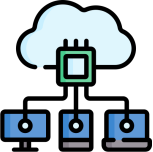
Shared documents, video meetings, project boards, and messaging apps let teams across time zones work on the same file at once. These team collaboration tools make it easier for distributed teams to communicate, share information, and stay aligned while working on projects together. AI assistants now summarize meetings, draft first versions of reports, and sort inboxes, freeing time for work that requires judgment and creativity.
Where Learning and Work Meet
The line between school and career is fading. A 2025 global employer survey covering more than 1,000 major companies estimated that 39 percent of the key skills workers use today will change by 2030. The fastest-growing skills include AI and big data, cybersecurity, and technological literacy, alongside human strengths such as creative thinking, resilience, and curiosity. In short, learning no longer stops at graduation. It becomes part of the job.
Then vs. Now
| Area | Then | Now |
| Classroom | Fixed schedules, printed textbooks | Online courses, AI tutors, microlearning |
| Credentials | Degree as the main proof | Degrees plus certificates and portfolios |
| Workplace | Five days in the office | Hybrid and remote schedules |
| Teamwork | In-person meetings | Cloud tools and video calls |
| Skills | Learned once, used for decades | Updated continuously |
Key Terms
- Microlearning: Short, focused lessons designed to be completed in minutes.
- Hybrid work: A schedule that splits time between home and the office.
- Skills-based hiring: Evaluating candidates on proven abilities rather than credentials alone.
- Upskilling: Learning new skills to keep pace with changes in your current role.
The Road Ahead
Technology has made learning more flexible and work more mobile, but it also asks more of people: steady upskilling, clear boundaries, and smart use of AI. Those who treat learning as a lifelong habit and protect their downtime will be best positioned for what comes next. If your after-hours routine includes hemp, explore the hemp flower collection at Wholesale Hemp Farms, grown on a USDA Organic family farm in Kentucky, third-party lab-tested, and shipped the same day on orders placed before 2 p.m. Eastern.