








Automating Employee Lifecycle Management: Streamlining Onboarding, Offboarding, and Everything in Between
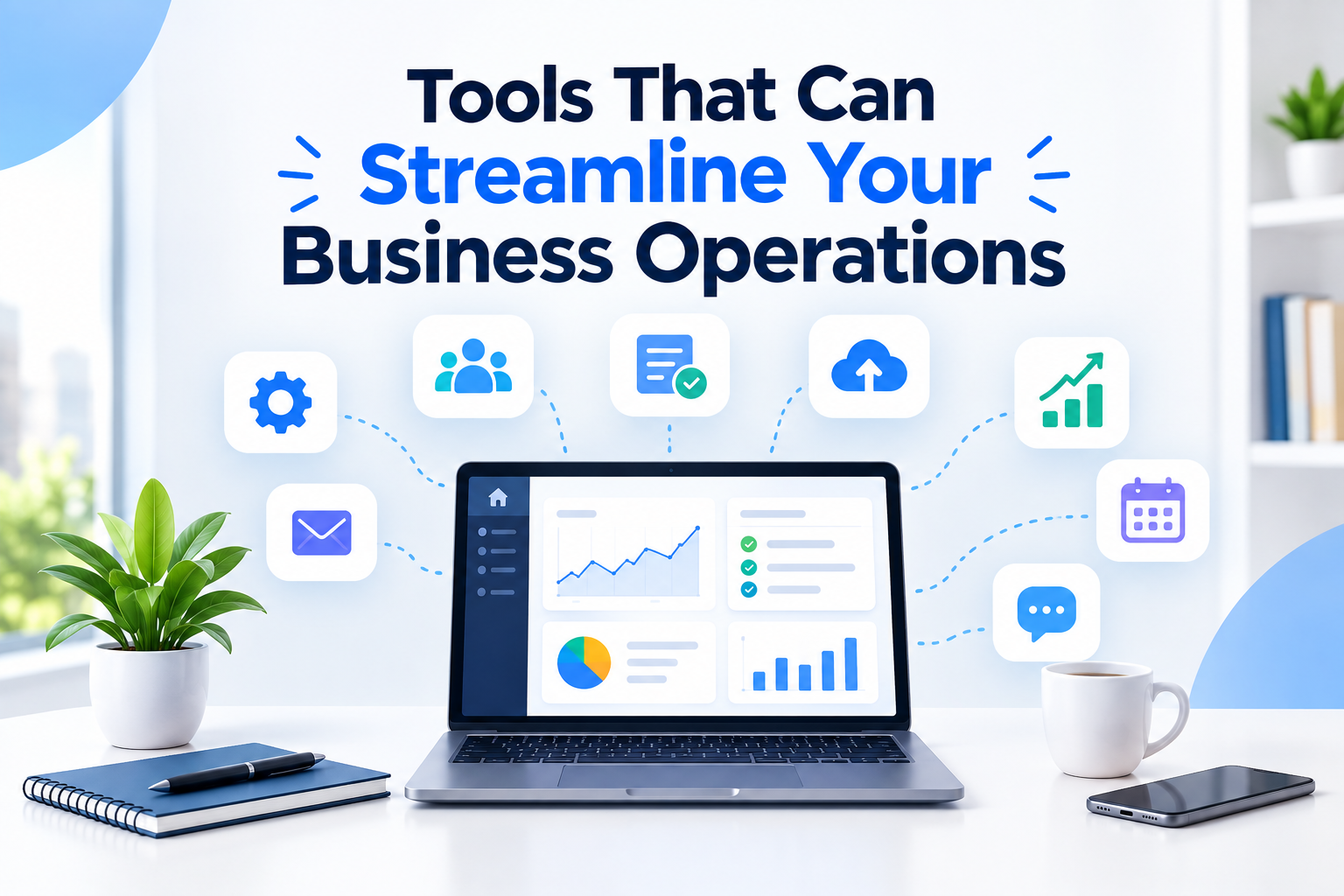
Managing the employee journey, from recruitment to retirement, is no small feat for modern organizations. Every step of the employee lifecycle brings unique challenges, whether it is onboarding new hires, facilitating skills development, or managing smooth offboarding processes. As businesses grow and regulations tighten, automation has emerged as a critical solution for improving accuracy, compliance, and overall efficiency. Organizations are increasingly leveraging employee relations software and advanced workflow tools to transform how these employee lifecycle stages are managed.
Manual administration often leads to wasted time, preventable errors, and inconsistencies that can impact both organizational productivity and employee satisfaction. By embracing automated solutions, organizations can streamline processes, ensure policy compliance, and allow HR and IT professionals to focus on more strategic initiatives.
Automation also introduces measurable improvements to employee experience. Automated notifications, digital forms, and instant provisioning ensure that employees quickly receive access to tools and resources. This improves satisfaction and productivity right from the start, eliminating stress caused by manual delays or miscommunication.
As a result, the shift toward automation is fast becoming not just a trend but a necessity in competitive environments. According to a study by McKinsey & Company, about 50 percent of current work tasks across industries could be automated with existing technologies, underscoring the transformative potential of automation in everyday business operations.
Understanding Employee Lifecycle Management
The employee lifecycle encompasses every phase an employee experiences during their tenure. It starts with recruitment searching for, screening, and hiring the right talent. Next comes onboarding, which includes training, benefits enrollment, and providing new hires with the tools required for their roles. The development phase involves ongoing growth, skill enhancement, and performance management. Retention efforts aim to keep employees motivated, satisfied, and productive, while offboarding ensures a smooth transition when employees exit, protecting intellectual property and knowledge transfer. Smart automation strategies across these stages enhance consistency and compliance, supporting a healthy organizational culture.
The Need for Automation
Manual processes in employee lifecycle management drain resources and open the door to avoidable mistakes. Delays in onboarding can deprive new employees of what they need to be productive from day one. Inconsistent offboarding increases risks such as lingering system access after departure, while manual updates can create data integrity and compliance challenges. Automation addresses these gaps by systematically orchestrating communications, documentation, and system access, reducing operational risks and administrative headaches.
Benefits of Automating Employee Lifecycle Management
Adopting automation in employee lifecycle management delivers numerous tangible benefits:
- Increased Efficiency: Tasks such as onboarding paperwork, IT provisioning, and leave management can be done in a fraction of the time, freeing HR and IT personnel for high-value work.
- Enhanced Accuracy and Compliance: Automated workflows minimize manual entry mistakes and ensure adherence to policy and regulatory requirements.
- Improved Employee Experience: Employees benefit from faster onboarding and resolution of HR requests. Smooth transitions help reduce anxiety and promote early engagement in their roles.
- Cost Savings: Greater process efficiency drives down costs associated with administrative labor, document storage, and the financial risks tied to noncompliance or security issues.
Real-World Examples of Automation
Organizations across industries are proving the business case for automated lifecycle management. RailPros, for instance, overhauled its onboarding process by merging automation with IT help desk operations. Previously, onboarding a single employee took more than two hours. With automation, this process was cut to under 30 minutes. The help desk team reclaimed 15 to 20 hours weekly, which could then be redirected to more critical, value-added support.
Horizon Services leveraged automation to streamline their employee access provisioning and deprovisioning. This not only enhanced operational efficiency but also ensured airtight security by aligning IT access precisely with HR events. Employees had the tools they needed on day one, and system access was revoked instantly during offboarding, minimizing potential risks to company assets. These examples underscore how thoughtful automation delivers measurable returns while boosting employee satisfaction.
Implementing Automation in Your Organization
The journey to successful automation begins with a detailed assessment of current employee lifecycle processes. Identifying areas that are slow, error-prone, or burdensome is crucial for targeting immediate improvements. Selecting automation solutions that seamlessly integrate with current HR and IT environments is the next important step.
Organizations should develop a comprehensive implementation plan that addresses timelines, responsible parties, and employee training. Involving key stakeholders from the outset helps manage expectations and build support for technology adoption. Once new processes are operational, ongoing monitoring and continuous improvement ensure that automation meets its intended goals and adapts to changing business or compliance requirements.
Challenges and Considerations
While the rewards of automation are significant, organizations should be prepared for potential challenges. Integrating new automation tools with legacy systems can raise technical issues that may require additional expertise or investment. Change management is another critical aspect since employees may resist alterations to familiar ways of working. Transparent communication and tailored training can help ease transitions and increase acceptance.
Deploying anonymous employee feedback tools during this transition period gives employees a safe channel to surface concerns they might not raise openly, helping HR teams spot resistance early and address it before it stalls adoption.
Strong security measures must also be built into automated systems to safeguard sensitive data. Adopting industry best practices, such as multi-factor authentication and regular system audits, is imperative. Staying updated on regulatory developments in areas such as data protection will help avoid compliance pitfalls (SHRM on HR Automation Success).
Conclusion
Automating the management of employee lifecycles is transforming traditional HR and IT operations. Organizations that embrace automated solutions benefit from improved efficiency, stronger compliance, and a much-improved employee experience. While implementation comes with its own set of challenges, careful planning, open communication, and investment in the right technologies will help ensure successful adoption and real financial and operational gains.