












Home Buying Trends for Modern Families
Modern families are navigating a real estate market shaped by economic pressures, technological innovation, and shifting demographics. Keeping up with new trends is vital to making smart decisions, especially in sought-after areas like Brentwood. For those interested in learning more about available properties, homes for sale in Brentwood can be explored through Leonard Rabinowitz Real Estate.
Leonard Rabinowitz Real Estate offers a curated portfolio and expert guidance for buyers, sellers, and investors across the Brentwood area, making the brand a trusted resource for those seeking current listings and market insight in one of Southern California’s premier neighborhoods.
Today’s homebuyers must weigh not only traditional factors like location and price but also emerging options such as multi-generational homes, sustainable housing, and the implications of remote work. As families evaluate the right strategy for their unique goals, understanding the evolving landscape can help unlock long-term value and stability.
Multigenerational Living
As housing costs climb and lifestyles evolve, an increasing number of buyers are pooling resources to create multigenerational households. In 2024, a record 17 percent of all home purchases were made with the intention of accommodating more than one generation under one roof, blending grandparents, parents, and children for both economic and personal reasons. This arrangement allows families to share expenses, streamline caregiving, and foster deeper connections, making it an appealing alternative to traditional single-family homes.
The Co-Buying Trend
Another distinctive pattern is the rise of co-buying. As affordability constrains many would-be buyers, people are increasingly joining forces with friends or non-romantic partners to break into the market. Recent reports show that single women, in particular, are opting to co-purchase homes with trusted friends rather than wait for a romantic partner. This practical solution not only splits the cost burden but also enables households to qualify for larger mortgages, secure better locations, and diversify investment risk.
Technological Influences on Home Buying
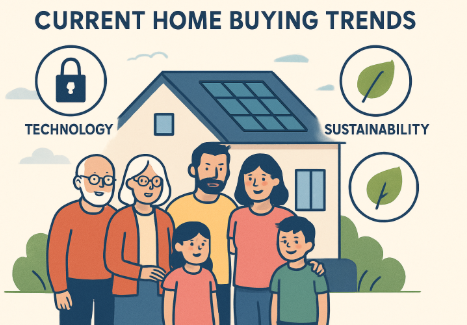
Technology is fundamentally transforming how families search for, purchase, and live in their homes. Smart home features such as automated thermostats, high-efficiency appliances, and home security systems offer significant convenience and value to buyers. Online property tours, digital document signing, and AI-powered search tools are speeding up transactions and improving clarity for consumers. This shift creates new expectations: modern buyers now view a home’s tech-readiness as a top consideration, alongside square footage and neighborhood amenities.
Affordability Challenges
Affordability remains one of the largest obstacles in today’s housing market. With national home prices hitting a record median of $407,500 in 2024 and sales volumes at their lowest since 1995, many families are re-evaluating their purchasing timelines and exploring creative financing solutions. Strategies such as co-buying, relocating to more affordable areas, and negotiating rate buydowns are helping buyers overcome restrictive lending requirements and historically high monthly payments. These pressures have made expert guidance critical for navigating complex transactions, especially for those entering competitive markets for the first time.
For deeper insights on managing these market realities, major publications like The Wall Street Journal frequently report on nationwide housing affordability trends and practical tips for homebuyers facing today’s conditions.
Sustainable Housing Preferences
Today’s buyers are not only focused on comfort and aesthetics, but also on sustainability. There is a noticeable shift towards homes built with eco-friendly practices and materials, such as recycled content, energy-efficient double glazing, and advanced insulation systems. Solar power, drought-tolerant landscaping, and smart water systems further attract families looking to lower utility bills and reduce their carbon footprint. This interest in sustainability has encouraged developers to integrate green technologies and certifications into new construction projects, directly responding to homebuyer demand.
Urban vs. Suburban Preferences
The expansion of hybrid and remote work opportunities has incentivized many families to reconsider location priorities. Urban living, once prized for its proximity to employment and amenities, now competes with suburban communities offering greater space, safety, and relative affordability. Suburban markets near major cities are particularly popular with buyers who want the best of both worlds: access to urban conveniences without the congestion or high cost of city centers. This migration pattern has reshaped demand in selected regions, especially areas within commuting distance of economic hubs.
Impact of Investors on the Housing Market
Institutional and individual investors are playing an increasingly important role, accounting for as much as 27 percent of U.S. home purchases in early 2025. These buyers often snap up entry-level homes, renovate properties for rent, or sell at a profit, intensifying competition for typical families and first-time buyers. While investor activity can stimulate local economies and revitalize neighborhoods, it can also restrict supply and push prices higher. Staying informed about these trends is essential for homebuyers looking to secure a strong position in their local market.
Comprehensive resources from sites like The New York Times provide additional context about the impacts of investor activity on local and national housing trends.
Conclusion
The landscape of home buying for modern families is marked by creativity, resourcefulness, and adaptability. Whether exploring the benefits of multigenerational living, leveraging new technology, or seeking sustainable features, families who remain informed are best positioned for success. Utilizing trustworthy professionals and up-to-date resources is the key to making decisions that support both immediate needs and long-term aspirations in a market where adaptability is critical.