










How To Build A Productive Hybrid Workspace
Key Takeaways
- Build workspaces around real tasks, including focused work, collaboration, private calls, and remote participation.
- Choose dependable technology that makes common actions simple, from joining meetings to accessing shared files.
- Plan ergonomics, accessibility, privacy, and security as core requirements rather than later additions.
- Use employee feedback and workspace usage patterns to make practical improvements over time.
A productive hybrid workspace provides individuals with the tools for productive performance at home, at work and on the go. The focus is not on the amount of equipment in a room. It is meant to eliminate the frustration that can derail or slow meetings, plunge remote workers out of the loop, and otherwise distract from the routine.
Seed matching to the actual work conducted by people, starting with devices and accessories. For instance, companies comparing laptops, docks, displays and workstations can check out the Lenovo lineup according to the role, existing software applications and shared space requirements. The proper setup should facilitate the employee’s work by incorporating Lenovo products, rather than complicating the use of each desk or meeting room.each desk or meeting room harder to use.
Why Hybrid Workspaces Need A Clear Plan
- Hybrid working is not a simple case of one or two days a week at home. It needs decisions made on where to concentrate work, team physical meeting points, resource locations, and employee resource reservation. If left unchecked, offices can fall into the habit of accommodating overcrowded meeting spaces, unoccupied offices, tangled cords, and the lack of a consistent approach to getting people in and out of meetings.
- Flexibility is on purpose in the workplace. It provides an array of settings for various tasks and provides easy to understand rules for the use of those settings. Prior to layout changes or equipment purchase, consider attendance trends, understand what slows workers and what is of high importance to them.
- Begin on The Job, Not The Job, Then The Job.
- Write down all the regular activities they do as a group, and divide up all that requires quiet work and all that requires group work. Private and controlled access to confidential information may be needed for finance staff. Larger displays may be needed, as may be a place for people to graphically review designs and have the ability to share and exchange with other work colleagues.
- Showing roles that need privacy, special software, more power or larger screen.
- Speak to staff about their challenges and delays in current rooms, tools, or processes.
- Consider ways that desks and meeting spaces can be expanded or cut down after a review and assessment of usage.
- Focus on the larger challenges first, rather than on sweeping changes.
Create Zones For Different Types Of Work
Focus Areas
Quiet Desks, Individual Rooms and Low Traffic Areas are usable for writing, analysing code, data, and other areas which require concentration. Minimize unnecessary noise and distractions, furnish adequate lighting and make room seating comfortable for long periods of work.
Collaboration Areas
It should be easy to initiate planning sessions and project reviews within a collaboration zone. Flexible arrangements of tables, access to power, white boards, and shared displays have the ability to aid in varying group sizes. Include remote coworkers and ensure enough shared materials are visible and clear for them to understand, and that they can hear the people in the room without feedback.
Private Meeting Spaces
Offer private areas for video calls, discussions where privacy is needed, interviews, and client calls. When asked questions about sensitive matters, sound control becomes an issue. A booking system saves time for employees finding rooms to book.
Choose Technology That Removes Friction
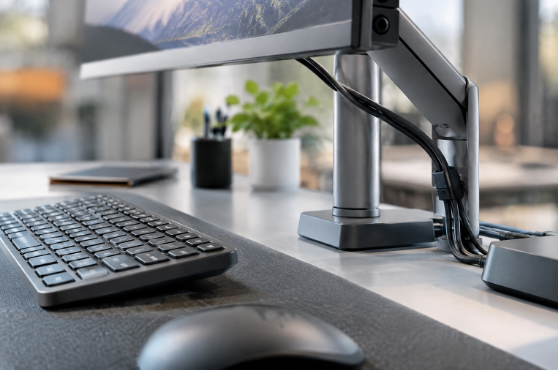
In the long run, any steps that can be avoided using technology should be avoided. Regular use of shared spaces could be easier if there is reliable internet access, clarity of microphones and speakers, camera positioning, well disposal of cables, and docking stations. Preparing shared calendars, tools for room bookings, cloud-based shared files and permissions prepare teams for working together.
If someone has to spend several minutes to join a meeting, have to navigate to a current document, or connect a laptop to a display, there is probably a process/equipment issue that needs to be addressed. Have extra adapters, charging methods and backup presentation options ready for critical meetings.
Make participation equal for remote/offsite staff.
Stable habits contribute to good hybrid working along with competent hardware. Have notes, decisions, deadlines and project files in an area. Distribute Meeting Agendas or items to be addressed before the meeting and make sure the remote participants are not left behind in discussions and decisions are recorded for the sake of informing “in absentia” participants.
Provide an easy opportunity for all participants to input. That could involve individual laptops used during a workshop, watching the chat during video calls or treatments to do the action summarization. Folders, projects and meeting rooms are also consistently named making information easier to find.
Apply the principles of “Build Ergonomics” to each work station.
Comfortable workstations give employees the flexibility to configure equipment to match their needs, not requiring them all to be set up in the same manner. Advice from OSHA on computer workstation positioning and evaluation focuses on what can be done—keep the monitor on eye level, supported lower back, shoulders relaxed, with keyboard space, and feet supported on floor.
Turn the main display right towards the viewer and minimize window or ceiling reflections.
The keyboard and mouse are within reach and will allow for comfortable use.
Provide adjustable chairs, displays, or desks for multiple persons working at a single work station.
Promote short-term movements and posture changes during the day.
Use Protection Devices, Accounts and Shared files.
In hybrid work, the number of networks used to access company information grows, as does the number of locations and devices used to access it. Use robust passwords and multi-factor authentication, use a password for systems, restrict access to files according to needs and use screen locking as a routine practice. All employees should be trained in the procedures for reporting a lost device, suspicious correspondence or a possible security incident.
Security measures when it comes to telework involve following telework security practices, such as setting up a secure home Wi-Fi system, abiding by company guidelines for working remotely, updating devices, and verifying requests that seem out of the ordinary before reacting. Processes used for security should be straightforward and repeatable for employees.
Promote Accessibility, and Different Work Styles
A one size fits all approach will not work for every employee. Where feasible, use movable equipment, ensure walkways and shared equipment are easily accessible, and consider lighting, noise, moveent, captions, transcripts, and readable documents. Listen to workers and discuss real-life issues for employees that make working comfortably and well difficult.
Create Rules and Find Out What Works.
Things work better in shared space if expectations are straightforward. Provide information about booking desks and rooms, resetting equipment after usage, labelling of common cables and adapters, dealing with sensitive documents and respecting quiet areas. Read the rules again if the problem/s are recurring.
Review desk and room occupancy, persistent technology problems, meeting delays and staff input on level of comfort and productivity each quarter. But high room usage does not always equal success. It might display useful working groups or that the team does not have an appropriate meeting room. Take smaller adjustments first, then look at the findings to inform, validate, and take bigger changes next.
Common Questions About Hybrid Workspaces
What is the most important part of a hybrid workspace?
There is no single essential item. Effective hybrid work combines appropriate spaces, dependable technology, clear expectations, and consistent team habits.
Should every employee have the same setup?
No. Role-based setups are often more practical. Someone who produces video or visual work may need different tools than someone who primarily writes, manages calls, or analyzes data.
Can a small business improve hybrid work on a tight budget?
Yes. Begin with clearer meeting practices, shared documentation, better cable management, improved lighting, basic ergonomic adjustments, and understandable security rules before making major purchases.
Conclusion: Build Around Real Work
A productive hybrid workspace is not defined by expensive equipment or a fashionable layout. It succeeds when its spaces, technology, security practices, and daily routines support the work people need to do. Study real work patterns, fix the largest sources of friction, and keep improving through feedback and evidence.